

This startup is quietly preventing million-dollar losses in the water sector, using data most systems overlook. Because when freshwater ecosystems break down, the damage isn’t always visible, until entire fisheries collapse.
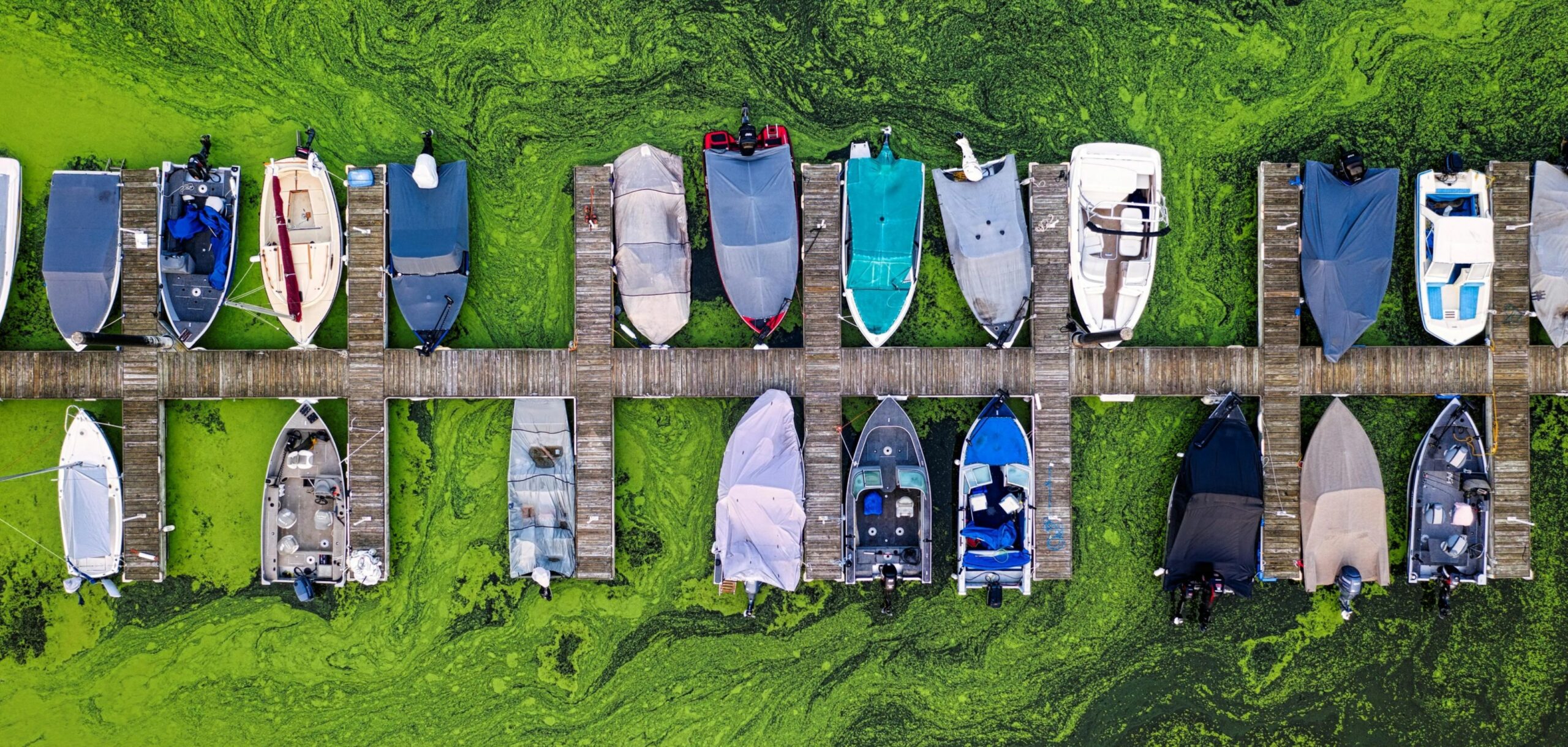
Let’s start with a simple truth: Just because your lake sparkles under the sun doesn’t mean it’s healthy. Beneath the surface, many are quietly struggling. Pollution levels are rising, temperatures creeping up, and vital signs like turbidity and dissolved oxygen are shifting fast, often without anyone noticing. Until it’s too late.
For millions of fish farmers and local communities, this slow decline can mean sudden, massive losses. Fish kills, disease outbreaks, and complete shutdowns of water operations. A single missed algal bloom, for instance, can wipe out an entire fishery and spike treatment costs by up to 40%. Just a slight rise in turbidity? That could add millions in water treatment costs annually.
But what if we could listen to these ecosystems, and act before they break down?
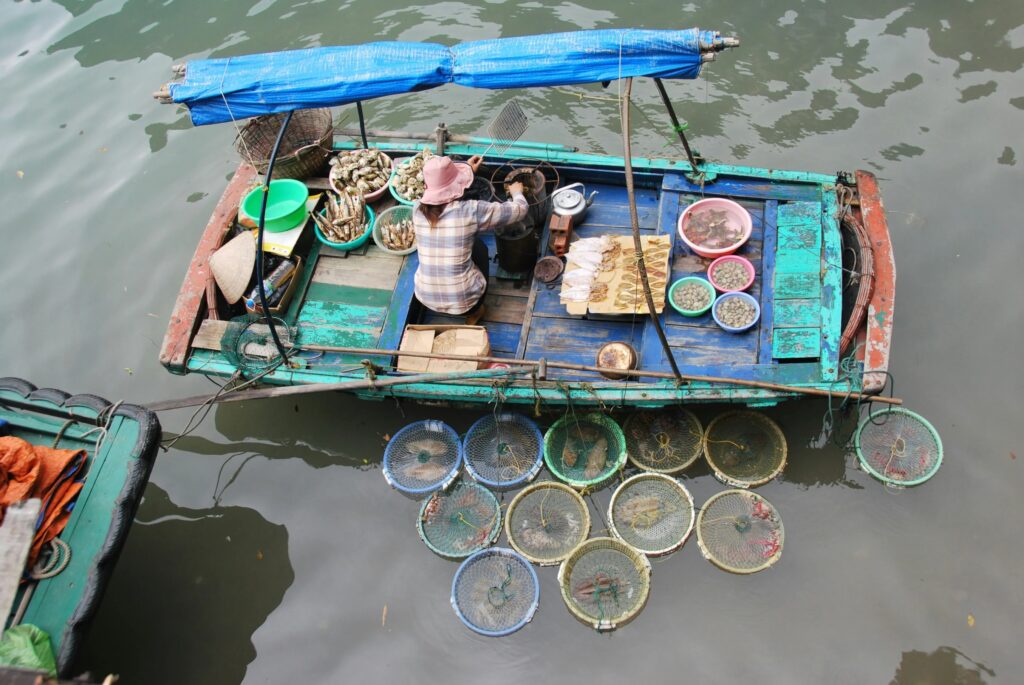
That’s exactly what NatureDots is doing. Co-founded by Snehal Verma, Mohammad Aatish Khan, and Ayush Prasad, NatureDots is building digital twins of freshwater ecosystems using deep tech, AI/ML, and nature-based systems to restore aquatic ecosystems and strengthen fisheries.
Their flagship tool, AquaNurch, creates a digital twin of freshwater bodies using AI, sensors, and nature-based intelligence. It tracks water health in real-time, predicts risks, and gives early warnings helping fish farmers replace guesswork with confidence.
And the stakes are high.
A missed HAB can cause mass fish kills and force total operational shutdowns. Just a slight rise in turbidity can cost water utilities millions, with treatment costs rising by up to 30%. Even a 1°C increase in water temperature can delay recovery by over a year.
That’s why AquaNurch isn’t working alone. NatureDots’ full Digital Twin suite includes:
- Twinity: Built for water utilities and surface water managers, offering predictive intelligence for smarter, faster decisions.
- Twingills: Designed for aquaculture environments: ponds, cage farms, RAS, combining water, disease, and biomass insights to protect yields.
- Twinsfera: For conservation and restoration projects, offering real-time ecosystem intelligence for early action and measurable impact.
NatureDots is already deployed across 7+ countries, monitoring 125,000 hectares of water, with 8+ billion data points collected.
From India to the US and Asia-Pacific, their solutions are being used in cities, farms, and restoration zones, helping to build 10 million hectares of climate-resilient waterscapes for nature, people, and business.

Newsletter
Register your interest to attend DCIW by signing up for our mailing list to get updates and event invitations!